Do I Want Pest Management for My Unit in Hamilton?
If you live as a renter in Hamilton, Ontario, the short answer is: usually, yes. Apartment pest treatment is more than for obvious infestations. In a city with a dense mix of high-rise apartments, older walk-ups, and multi-unit buildings, pests can move quickly between units through shared walls, utility lines, hallways, and entry points. That means a small issue in one rental unit can become a whole-building concern if it is ignored.
For Hamilton renters, pest control Hamilton services are most useful when you want early detection, a defined treatment plan, and help halting a recurring problem before it spreads. The key is knowing when the issue is yours to handle, when the landlord must step in, and when a professional exterminator should be involved immediately.
Do apartment renters in Hamilton really require pest control?
Absolutely, many Hamilton renters may need pest control eventually, especially in buildings where apartment pests can move between units. In a multi-unit building, even careful sanitation habits may not be enough if pests are getting in from another suite, a laundry room, or a common area.
Everyday pests in apartments are not always a sign of poor housekeeping. Bed bugs, cockroaches, ants, mice, silverfish, and carpet beetles can all turn up in a rental unit for different reasons. Some are drawn to food, some to moisture, and some simply follow heat, clutter, or luggage from one place to another.
Hamilton’s climate also matters. Humid summers can raise pest activity, while cold winters push mice and other pests indoors looking for shelter. In areas with many apartment buildings, older rentals, and student housing such as the downtown core, Westdale, and St. Clair/Blair, the pressure is often more intense because shared walls and heavy tenant turnover make spread more likely.
For Hamilton renters, apartment pest control is usually about more than simply reacting. It is part of pest prevention, monitoring, and protecting the value and cleanliness of the rental unit. Good landlord responsibilities and tenant responsibilities both count here, especially when there is evidence of pests.
What pests are most often seen in Hamilton apartments?
Some pests show up more frequently in Hamilton apartments than others. Identifying the typical pests helps with prompt identification and more precise pest elimination.
Bed bugs
Bed bugs are one of the most upsetting apartment pests because they move quickly through furniture, clothing, luggage, and shared walls. They do not mean a suite is dirty. They are a regular concern in apartment buildings because they can move from one rental unit to another and hide in tiny cracks.
Cockroaches
Cockroaches are a major issue in apartment buildings, especially where food waste, moisture, or clutter gives them shelter. They often hide in kitchens, bathrooms, behind appliances, and inside cabinets. If you see one, there may be more.
Ants
Ants usually enter through entry points in search of food or water. In apartments, they can follow paths along baseboards, counters, and plumbing lines. While a few ants may be a nuisance, repeated sightings can signal a bigger nest nearby.
Mice
Mice are a serious problem in older multi-unit buildings and dense residential blocks. They squeeze through tiny gaps, nest in walls, and may leave droppings in cupboards, storage closets, or behind appliances. A mouse problem can become a health risk quickly if it is not addressed.
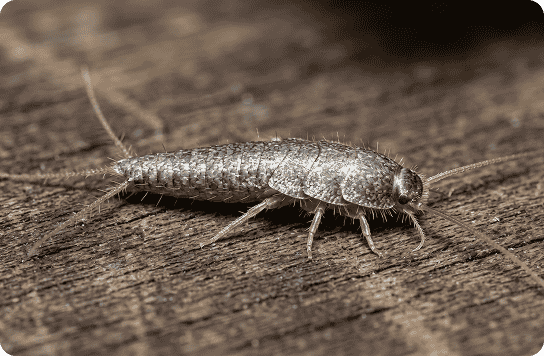
Hamilton apartments may also deal with silverfish and carpet beetles. Silverfish often appear in damp, humid areas like bathrooms and basements, while carpet beetles can damage fabrics, rugs, and stored clothing. These are not always as urgent as bed bugs or mice, but they still call for proper inspection and prevention advice.
How do you know if your apartment has a pest problem?
The most dependable way to detect a pest problem is to look for clues of pests, not just the pests themselves. Many signs of infestation are easy to miss at first, and early detection can make treatment much easier.
Be aware of these usual warning signs:
- Droppings in cupboards, drawers, behind appliances, or along baseboards
- Bite marks on skin, especially if they appear after sleeping
- A musty odour or strange odour that may indicate hidden pests or nesting areas
- Live insects seen during the day, which can signal a larger infestation
Other clues include shed skins, smear marks, gnawing on food packaging, damaged fabrics, and scratching sounds in walls or ceilings. In a rental unit, these signs should be taken as a concern, especially if they keep coming back after cleaning.
If you notice repeat sightings, it may no longer be a limited concern. A recurring problem often means pests are nesting somewhere nearby, possibly in another unit, a shared hallway, or within the building itself. That is especially true in apartment buildings with shared walls and older construction.
Who remains responsible for pest control in Ontario rentals?
In the majority of Ontario rentals, responsibility for pest control depends on the situation, but the Residential Tenancies Act is the primary framework that governs the landlord-tenant relationship. In general, the landlord has a duty to keep up the property in a good state of repair and make sure it is suitable for https://www.google.com/maps/place/Mosquito+Man+Hamilton/@43.1795221,-79.7846013,743m/data=!3m2!1e3!4b1!4m6!3m5!1s0x882c99b896cadbd5:0x1f155b0edc4cfa3b!8m2!3d43.1795221!4d-79.7846013!16s%2Fg%2F11mwz2m6mr!5m1!1e2?hl=en&entry=ttu&g_ep=EgoyMDI2MDgxOS4wIKXMDSoASAFQAw%3D%3D living, which often includes addressing pests.
Landlord duty usually includes arranging inspection, coordinating treatment, and making needed repairs that enable pests to enter. If the problem is connected to the building itself, the landlord or property management team must usually respond.
Tenant duty typically includes maintaining the rental unit reasonably clean, following treatment instructions, reporting pest activity promptly, and not creating conditions that attract pests. That means sanitation, proper garbage disposal, and cooperation with treatment preparation are essential.
Property management may take care of communication, scheduling, and access to other units if the problem affects more than one suite. In larger apartment buildings, this role is often vital because pests can move between suites through shared walls and common areas.
If you are unsure about tenant rights, keep detailed records and communicate early. The law is not meant to make tenants deal with every issue alone; it is meant to help ensure that landlords respond appropriately when there is an infestation or a risk of one.
Should you get in touch with your landlord, property manager, or a professional exterminator first?
For most renters, your first step should be notice to landlord, especially if you rent in a managed building. Tell them what you saw, when you saw it, and where. Include photos if you can. This helps create a clear record and may help move along an inspection.
A proper inspection is often the next step. A good inspection confirms whether there is an infestation, where it may be coming from, and whether other units may be affected. In a large apartment building, this matters because treating one suite without checking nearby units may only solve the issue temporarily.
Sometimes the landlord will schedule the professional treatment directly. In other cases, you may be told to prepare the unit and wait for a coordinated visit from an exterminator. If the landlord is slow to respond and the issue is continuing to spread, you may need to take the matter higher or seek advice about tenant rights.
Careful records is important throughout the process. Save messages, photos, dates of sightings, and notes about any repairs or treatment. Strong documentation supports landlord communication and can be useful if the problem becomes a legal issue.
If you are dealing with a bed bug problem, roaches, or mice, professional treatment is usually the smartest choice. A professional exterminator can assess the situation, create a treatment plan, and recommend additional treatment if needed. Integrated pest management often works better than a one-time spray because it combines sanitation, monitoring, trap placement, sealing entry points, and targeted extermination services.
What steps should you take before plus after pest treatment in an apartment?
Careful prep work can make a huge difference in how well apartment pest control works. Your landlord or pest company should provide prep instructions, and it is important to adhere to them closely.
Prior to treatment, common tasks may include:
- Washing clothes and placing clean clothing or linens in bags as directed
- Cleaning floors, baseboards, and furniture seams with a vacuum
- Cutting down clutter so the technician can access hiding places
- Clearing food off counters and storing dry goods properly
- Making sure pets and children are kept away during the visit
Washing and vacuuming are often especially important for bed bugs and other crawling pests. These steps remove hiding spots and help the treatment access the areas where pests are active. In some cases, the technician may use a residual application, localized treatment, or trap placement depending on the species and severity.
Following treatment, follow the instructions closely. You may be told not to clean certain surfaces right away so the treatment can continue working. You may also need to monitor for continued activity and report repeat sightings. A follow-up visit is often part of the process, especially if the infestation was severe or if pests can spread from adjacent units.
Remember that pest elimination in apartments is often a step-by-step process, not an instant fix. Monitoring after treatment helps confirm whether the problem is resolving or whether more action is needed.
How much does apartment pest control cost in Hamilton?
The cost of service in Hamilton is determined by the pest, the size of the rental unit, the number of affected rooms, and whether the issue is isolated or part of a building-wide problem. A basic inspection fee might be minimal or even waived in some cases, but more targeted work can cost more.
Bed bug treatment is usually among the highest-priced services because it often requires several visits, detailed preparation, and follow-up treatment. Cockroach and mouse jobs may also vary in price depending on whether the issue is minor or part of a larger infestation. Often, the final price also reflects the scale of the problem and the count of treatments needed.
If you are getting a quote, make sure it is specific. Ask what the inspection includes, whether the treatment plan covers multiple visits, and whether there will be extra charges for a follow-up treatment. A clear quote should explain the scope of work, the products or methods used, and any prep instructions. Written estimates can help you compare options more easily.
For renters, cost responsibility can depend on the cause and the lease situation. If the issue is tied to the building or another unit, the landlord is often responsible. If it is clearly linked to tenant behavior or neglect, the answer may be different. Either way, it is better to get the issue assessed quickly rather than wait for the cost to rise because the infestation spreads. Fast response can also help prevent a more severe problem later.
Mosquito Man Hamilton62 First Rd W, Hamilton, ON L8J 3R2, Canada
+1 289-408-9573
https://maps.app.goo.gl/47W3PJ15EnQopiUf6
https://sites.google.com/view/pest-control-hamilton-ontario/
43.1795221, -79.7846013
When is pest control urgent in a Hamilton apartment building?
Pest control becomes urgent when the problem is clearly beyond a small nuisance. A true infestation, especially one involving bed bugs, cockroaches, or mice, can spread quickly in a shared building and create a health risk for you and your neighbours. Immediate attention is often the best way to limit the damage.
Urgency increases when:
- You continue to see pests after cleaning and reporting the issue
- There are repeat sightings in more than one room
- Neighbours in the same floor or hallway are affected
- You live in a unit with shared walls and the problem seems to be travelling
- There are signs of nests, extensive droppings, or food contamination
Hamilton’s older walk-ups and crowded apartment buildings can make these issues harder to contain. In a shared-wall environment, pests can move between units, behind plumbing, and through wall voids. That is why a quick response is so important in a multi-unit building. The sooner you act, the easier it may be to control the spread.
If you suspect a major infestation, do not wait for the problem to resolve itself on its own. Notify the landlord, document the evidence, and request inspection as soon as possible. In some cases, more than one unit may need organized treatment to address the issue completely.
How can Hamilton tenants prevent pests from coming back?
Prevention tips count even after a successful treatment. The goal is to make your rental unit harder to attract to pests and harder for them to enter. Good sanitation and simple maintenance can minimize the chance of another infestation.
Focus on these practical steps:
- Food storage: Keep food in sealed containers and wipe up crumbs right away
- Garbage disposal: Take garbage out regularly and use secure bin lids
- Sealing cracks: Ask the landlord to close gaps around pipes, baseboards, windows, and doors
- Regular cleaning: Vacuum often, clean under appliances, and reduce clutter
These pest prevention habits support broader sanitation practices and cut down on hiding areas. They also make it easier to notice new signs of infestation early. In apartments, early detection is one of the strongest tools you have because pests can spread quietly before you realize there is a bigger issue.
If your building has a recurring problem, ask the landlord or property manager what building-wide monitoring is being done. Integrated pest management works best when tenants, landlords, and professional exterminators all do their part. That may include entry-point sealing, localized treatment, trap placement, and scheduled follow-up treatment.
For Hamilton renters, especially in older apartment-heavy areas, pest control is not just a one-time emergency service. It is part of living well in a shared building. A proactive approach helps protect your unit, your neighbours, and the whole property.
FAQs about pest control for apartments in Hamilton

Do I need pest control if I only saw one bug in my apartment?
Maybe, but one bug can still be an early indicator. If you only saw a one insect and there are no other signs of infestation, start with monitoring, cleaning, and checking for evidence of pests. If you see more live insects, droppings, bite marks, or a musty odour, contact your landlord or a professional exterminator for an inspection.
Who pays for pest control in a Hamilton apartment, the renter or property owner?
It is based on the cause and the situation. Under the Residential Tenancies Act, the landlord often has the landlord duty to resolve pest problems tied to the building or another unit. The tenant may have a tenant duty to maintain the rental unit sanitary and adhere to treatment instructions. If you are unsure, flag the issue quickly and keep documentation.
How long does pest control take in an apartment building?
It comes down to the pest and how widespread the infestation is. A basic inspection and localized treatment may be quick, while bed bugs, cockroaches, or mice in a multi-unit building may require several visits and follow-up treatment. Pest elimination in apartments often takes longer when shared walls or other units are involved.
Can I hire my own pest control company without telling my landlord?
You can, but it is usually better to let know your landlord or property manager first. In many cases, landlord communication is important because the problem may affect the whole building. If you hire your own company, keep all documentation and ask whether the treatment plan should be coordinated with property management to avoid duplicate or conflicting work.
What pests are most common in Hamilton high-rise and low-rise apartments?
The most common apartment pests in Hamilton include bed bugs, cockroaches, ants, mice, silverfish, and carpet beetles. High-rise buildings, older walk-ups, and other multi-unit buildings can each have different pressure points, but shared walls and common spaces often make spread easier. Hamilton, Ontario’s seasonal weather also pushes pests indoors, especially during humid summers and cold winters.